


Did you know that your health depends largely on the microorganisms that live in your gut? The gut microbiota plays a crucial role in your digestive and immune systems, and even in your mood. But how can you take care of it and maintain a healthy balance? In this article, we'll answer all your questions about the gut microbiota, its benefits, and the best ways to protect it.
What is the gut microbiota and why is it important?
The gut microbiota is the collection of microorganisms, such as bacteria, viruses, and fungi, that live in our intestines. Although it may sound strange, these microorganisms are essential for our health.
Main functions of the gut microbiota
- Digestion and absorption of nutrients: Helps break down food and absorb key nutrients.
- Protection against pathogens: Acts as a barrier against harmful microorganisms.
- Vitamin production: Generates vitamins such as B12 and K.
- Immune system regulation: Trains the immune system to distinguish between friend and foe.
- Influence on mood: The microbiota produces neurotransmitters such as serotonin, known as the happiness hormone.
Factors that affect the gut microbiota
Maintaining a balanced microbiota is essential, but several factors can disrupt it:
1. Unbalanced diet
Excessive consumption of processed foods, sugars, and saturated fats can harm the diversity of beneficial microorganisms.
2. Use of antibiotics
Antibiotics not only eliminate harmful bacteria, but also microorganisms essential to the microbiota.
3. Stress
Chronic stress can disrupt communication between the gut and the brain, affecting the balance of the microbiota.
4. Lack of sleep
Poor sleep can cause imbalances in the digestive system.
5. Sedentary lifestyle
Lack of physical activity can also affect microbial diversity.
How to take care of the gut microbiota?
Taking care of your digestive health starts with small lifestyle changes. Here are some key points:
1. Maintain a diet rich in fiber
Foods high in fiber act as "prebiotics," feeding the good bacteria in the gut. Examples include:
- Fruits and vegetables: Apples, bananas, spinach.
- Whole grains: Oats, brown rice, quinoa.
- Legumes: Lentils, chickpeas, beans.
2. Incorporate fermented foods
Fermented foods are a natural source of probiotics , which help balance the gut microbiota. Some of the best are:
- Natural yogurt.
- Kefir.
- Sauerkraut.
- Kimchi.
3. Stay properly hydrated
Water is essential to maintain the balance of the digestive system and aid bowel movements.
4. Exercise regularly
Physical exercise not only improves overall health, but also promotes a diverse and healthy gut microbiota.
5. Reduces stress
Practicing mindfulness, yoga, or meditation can lessen the impact of stress on your digestive system.
6. Limit your use of antibiotics
Use antibiotics only when strictly necessary and under medical supervision.
Probiotics for the gut microbiota
Probiotics are live microorganisms that offer health benefits when consumed in adequate amounts. Incorporating probiotics can significantly improve your gut microbiota.
Benefits of probiotics
- They restore balance after antibiotic treatment.
- They improve digestion and reduce problems such as constipation.
- They strengthen the immune system.
- They help prevent intestinal infections.
Where can I find probiotics?
- Foods: Yogurt, kefir, miso.
- Supplements: Consult a healthcare professional to choose the right one.
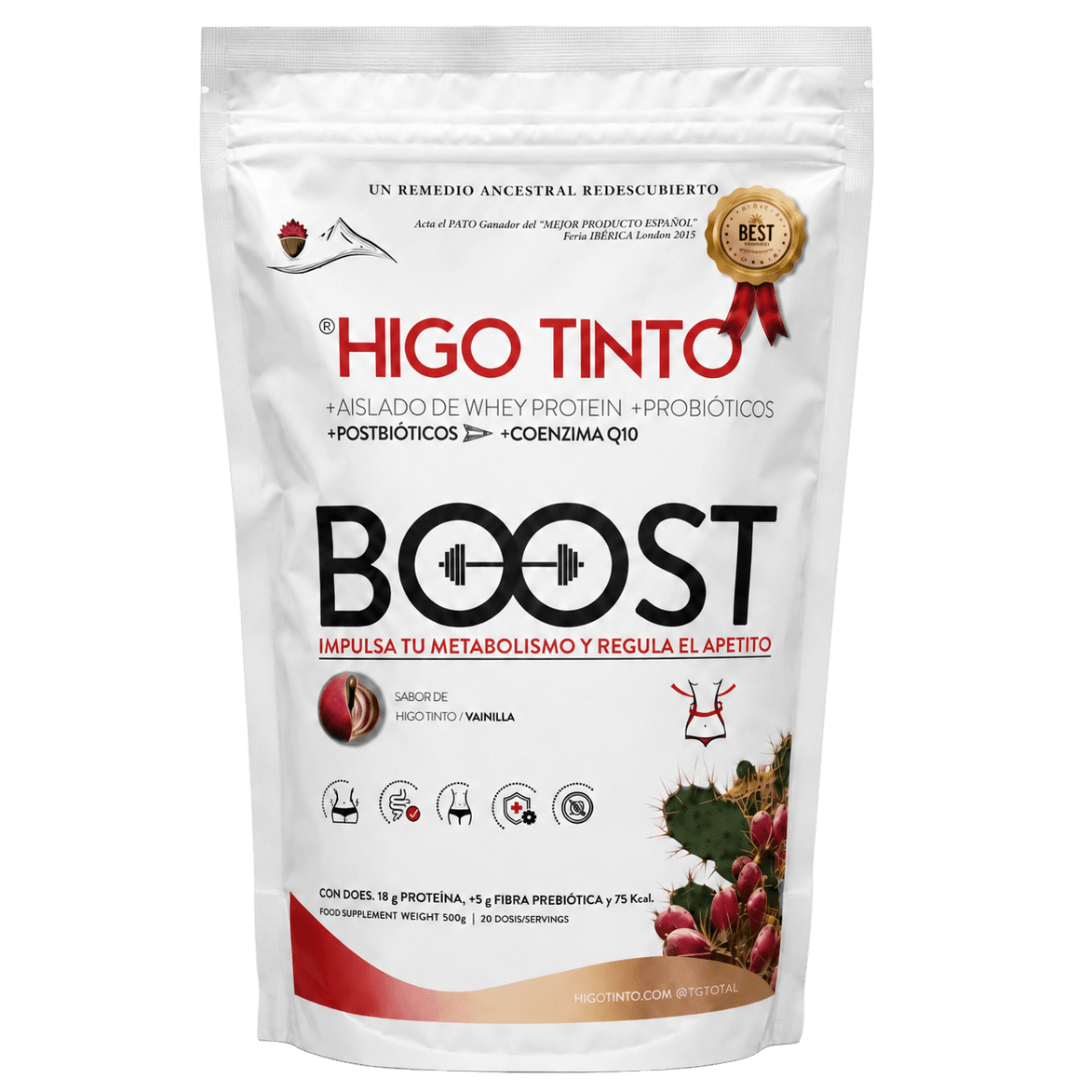
At Tunocanarias.com , we offer products like the FIG TINTO Digestive Creamer , a natural supplement that supports digestive health and strengthens the intestinal microbiota.
Relationship between gut microbiota and immune system
Seventy percent of immune cells are found in the gut, making the microbiota a key player in immune health. A balanced microbiota can:
- Reduce the risk of inflammatory diseases.
- Improve response to infections.
- Promote antibody production.
Frequently Asked Questions
What happens if I have an unbalanced gut microbiota?
You may experience problems such as bloating, diarrhea, constipation, frequent infections, and chronic fatigue.
How long does it take to improve the gut microbiota?
With changes in diet and lifestyle, the benefits can be noticed in a few weeks.
Are probiotics safe for everyone?
In general, yes. However, consult a professional if you have specific medical conditions or a compromised immune system.
Can I improve my gut microbiota with food alone?
Yes, but supplements can be a good option if you need extra support.
Conclusion
Your gut microbiota is a fundamental pillar of your health. Maintaining a balanced diet, incorporating probiotics, and leading a healthy lifestyle are key steps to protecting it. If you're looking for natural products that support your digestive health, visit Tunocanarias.com and discover options like FIG TINTO Boost . Start today and give your gut the care it deserves!