


Ultra-processed foods: health effects, risks, and how to follow a healthy diet
Have you ever wondered what happens in your body every time you eat ultra-processed foods? Perhaps you've heard about their link to weight gain, diabetes, or even the presence of endocrine disruptors. But how serious can it really be? How can you identify these risks in your daily life? And, above all, is there a safe way to enjoy food without compromising your health?
In this article, we'll reveal the secrets behind ultra-processed foods , how they affect your health, and the main endocrine disruptors that can be found in their ingredients or packaging. We'll also give you guidelines for adopting a healthy diet that protects your body and helps you feel better. Keep reading to discover how to take control of what you eat and protect your well-being!
What are ultra-processed foods?
Ultra-processed foods are industrial products made from refined ingredients, additives, and chemicals that mimic, replace, or enhance the flavor, color, and texture of natural foods. They are characterized by their low content of essential nutrients and their high content of sugars, saturated fats, salt, and artificial compounds. Classic examples of these types of products include:
- Sweetened soft drinks and energy drinks.
- Industrial pastries and cookies with a high sugar content.
- Sugary breakfast cereals.
- Salty snacks (chips, sticks, etc.) full of additives.
- Highly processed sauces and dressings.
Given their manufacturing process, ultra-processed foods are very appealing: their flavor is usually intense, their texture pleasant, and they have long shelf lives thanks to chemical preservatives. But why do they pose a health problem?
Health effects and risks of processed foods
The popularity of ultra-processed foods has grown enormously in recent decades. However, their health effects are not as favorable as their accessibility. These products can cause several problems:
- Weight gain and obesity: Due to their high caloric density and sugar content, ultra-processed foods contribute to excessive calorie intake, causing an energy imbalance that facilitates weight gain.
- Risk of developing chronic diseases: Frequent consumption of ultra-processed foods is associated with a higher likelihood of developing type 2 diabetes, high blood pressure, and cardiovascular problems. Furthermore, these diseases are strongly linked to a diet high in saturated fats, refined sugars, and low in fiber.
- Nutrient deficiency: Ultra-processed foods contain many additives and empty calories but few micronutrients such as vitamins, minerals, and antioxidants. This imbalance can lead to nutritional deficiencies.
- Possible impact on mental health: Some studies suggest that eating patterns high in ultra-processed foods may be related to mood changes and symptoms of depression.
- Presence of endocrine disruptors: Finally, some ingredients, packaging or preservatives in ultra-processed foods can act as endocrine disruptors and alter the hormonal balance of the body.
What are endocrine disruptors and why are they dangerous?
Endocrine disruptors are chemicals that interfere with your body's hormonal system. They can act in different ways:
- They mimic natural hormones and confuse the body.
- They block the action of hormones.
- They alter the levels of hormones essential for growth, reproduction, or metabolism.
Endocrine disruptors: a list and where to find them
Below is a list of some of the most common endocrine disruptors and the contexts in which they may appear:
-
Bisphenol A (BPA):
- Found in plastics, water bottles and inner linings of cans.
- Hormonal imbalances have been linked to an increased risk of obesity. -
Phthalates:
- Used to give flexibility to plastic in food packaging.
- Associated with alterations in fertility and thyroid function. -
Polychlorinated biphenyls (PCBs):
- Banned in many countries, but can still be found in the environment and in some contaminated animal products.
- They are related to disorders in the immune and reproductive systems. -
Dioxins:
- They come from industrial combustion processes and accumulate in meats and dairy products.
- They can affect fetal development and immune system function. -
Organochlorine pesticides:
- Formerly used in agriculture (some are still active in certain countries).
- They can be stored in the fatty tissue of animals and people, being toxic to the liver and nervous system.
Exposure to these endocrine disruptors can occur through contact with packaging, consumption of contaminated water, or ingestion of certain ultra-processed foods that contain traces of chemicals.
Why can ultra-processed foods contain endocrine disruptors?
-
Plastic packaging and containers:
Many ultra-processed foods come packaged in plastics that can release phthalates and BPA, especially if heated in the microwave. -
Use of additives and preservatives:
Some compounds with endocrine-disrupting activity may be used to preserve the color, texture, or freshness of these products. Although their use is regulated, frequent consumption is not beneficial. -
Industrial processes:
Exposing food to high temperatures or chemical environments can facilitate the formation of contaminants such as dioxins and other harmful substances.
How to reduce exposure to endocrine disruptors and improve a healthy diet
Taking care of your health doesn't mean giving up the pleasure of eating. Nor does it mean spending large amounts of money. It simply requires making informed choices and small changes to your routine.
1. Choose fresh and natural foods
- Prioritize fruits, vegetables, whole grains, and legumes.
- Drastically reduce the purchase of ultra-processed products.
- If you need snacks, opt for nuts or natural yogurt instead of processed pastries.
2. Cook at home with quality ingredients
- When preparing your own food, you control its origin and the cooking method.
- Avoid overheating plastics to prevent the release of endocrine disruptors.
- Use glass or stainless steel containers instead of plastic.
3. Read the labels
- If a product has an endless list of unknown ingredients, it is probably ultra-processed.
- Detects the presence of additives, colorings, preservatives and added sugars.
- Choose simpler options with recognizable ingredients.
4. Moderate your consumption of processed meats
Cold cuts, sausages and processed meats may contain nitrates and other chemical compounds.
- Choose lean meats from reliable sources and cook them safely.
5. Stay hydrated with water and natural drinks
- Avoid sugary and energy drinks.
- Water, herbal teas or natural juices are healthier alternatives.
6. Proper storage
- Avoid storing hot food in plastic containers.
- Do not put plastic containers in the microwave, unless they are BPA-free and specifically designed for that use.
Healthy diet vs. ultra-processed foods: which path to choose?
A healthy eating pattern isn't based on total restriction, but rather on a proper balance of essential nutrients. By reducing ultra-processed foods and increasing your consumption of fresh, whole foods, you'll be investing in:
- Better metabolic health (lower risk of diabetes, high cholesterol or hypertension).
- More effective control of body weight.
- Improved mood and energy throughout the day.
- Protection against chronic diseases in the medium and long term.
On the other hand, if your diet is mostly based on ultra-processed foods, you run the risk of exposing yourself to harmful substances, increasing your consumption of empty calories, and enhancing negative health effects .
Make a change with Tunocanarias.com
At Tunocanarias.com , we know that taking the first step towards a healthy diet can be a challenge. That's why we've created natural products and supplements designed to help you improve your quality of life without sacrificing flavor or enjoyment. Among our options, you'll find:
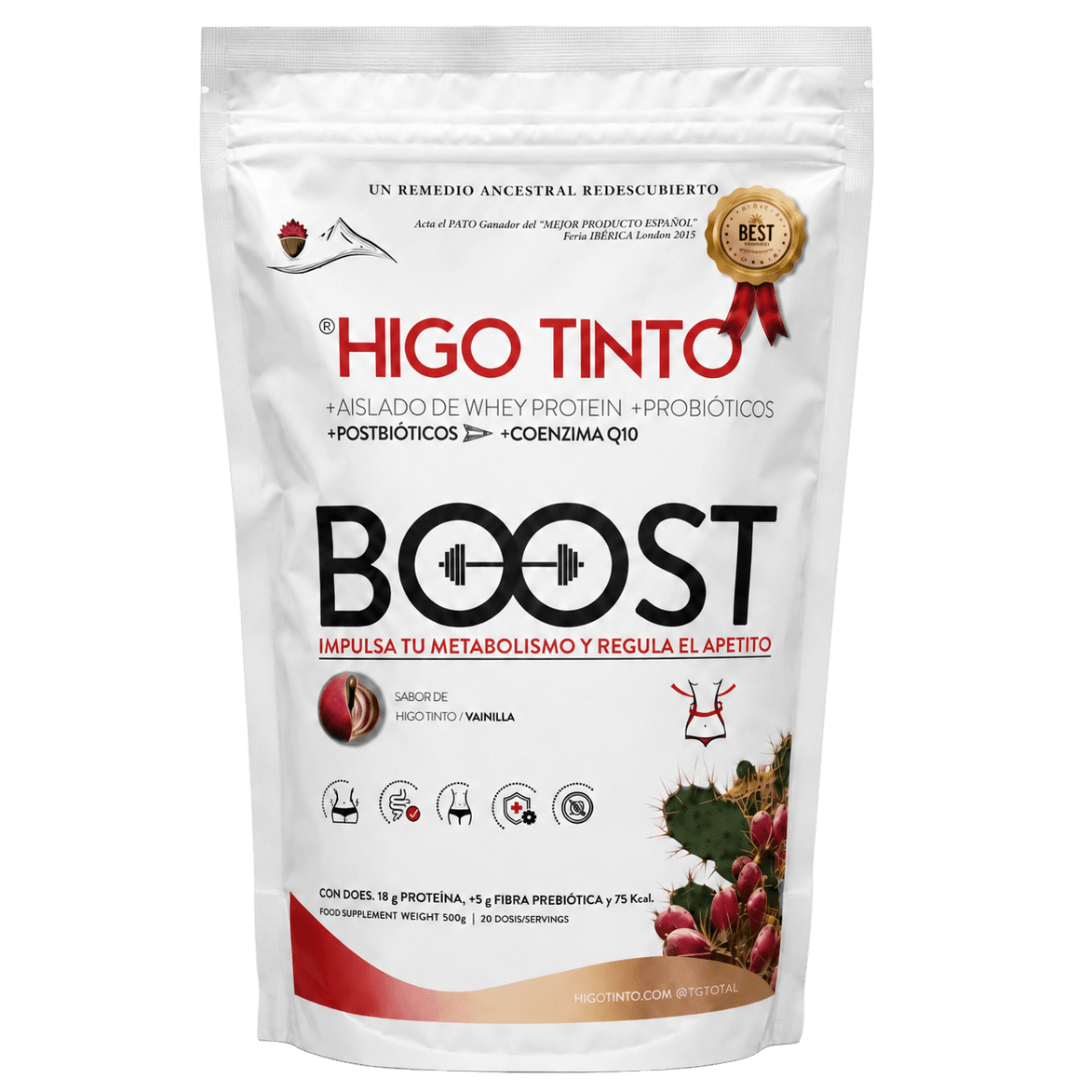
- FIGO TINTO Boost: A product made with natural ingredients and designed to complement your daily meals.
- Other plant-based supplements: Ideal for strengthening your immune system and improving your digestive health.
The idea isn't to obsess over extreme restrictions, but rather to become informed and make conscious choices. If you're interested in taking care of your body and reducing your exposure to harmful substances, our store will guide you every step of the way.
Frequently Asked Questions
1. Can I eat ultra-processed foods occasionally without harming my health?
Yes, occasional use doesn't usually have critical effects on most healthy people. The problem lies in the frequency and quantity. The less, the better.
2. Are food additives always bad?
Not all food additives are harmful. However, some can be endocrine disruptors or cause adverse reactions in certain people. It's best to be informed and moderate your consumption.
3. Are there any healthy alternatives to sugary soft drinks?
Of course. Lemon water, cold infusions, green tea, or natural fruit juices without added sugar can be excellent options.
4. How can you identify if a product is ultra-processed?
Read the label. If the ingredient list is long and includes many chemical names, it's very likely an ultra-processed food.
5. Is exposure to endocrine disruptors reversible?
To a large extent, yes. Reducing your exposure to these compounds and improving your diet can promote cell regeneration and decrease the risk of hormonal imbalances.
Conclusion
Ultra-processed foods may be delicious, convenient, and readily available, but their impact on health is not something to be taken lightly. Beyond their caloric content, these foods can contribute to the intake of endocrine disruptors and other potentially harmful compounds that affect your hormonal balance. This carries risks associated with processed foods , ranging from metabolic problems to mood swings.
The good news is that you can minimize these risks by choosing a healthy diet rich in fresh foods, fiber, quality protein, and healthy fats. Cooking at home, reading labels, and choosing BPA-free packaging are simple steps that will help you take care of your well-being. And remember, you don't need to do it all at once: every little change counts.
If you're looking for an ally to help you transition to healthier habits, at Tunocanarias.com you'll find natural supplements, like FIG TINTO Boost , that fit into your routine and complement a balanced diet. Start today and notice the difference in your energy, weight, and overall health!