

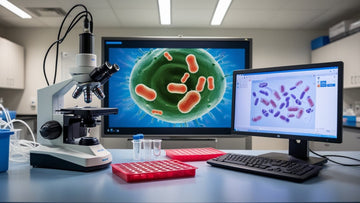
The Silent Microbiome Revolution: Beyond the Gut
The Silent Microbiome Revolution: Beyond the Gut
Introduction
The human microbiome is revolutionizing medicine, challenging traditional beliefs, and redefining our understanding of health. Beyond its role in digestion, the microorganisms that inhabit our bodies influence inflammation, metabolism, and even our mental health. This scientific revolution is rewriting the history of how we understand the human body.
The Discovery of a Forgotten Ecosystem
Historically, bacteria have been viewed as enemies, associated with disease and death. However, in recent decades, scientists have discovered that these microscopic creatures are essential allies. In the 19th century, Élie Metchnikoff, Nobel laureate in Medicine, proposed that "good" bacteria could prolong life, a concept ahead of its time.
Today we know that the gut microbiome, composed of more than 100 trillion microorganisms, not only helps to break down food, but also regulates key bodily functions, such as the production of neurotransmitters and the modulation of the immune system.
A Story of Overcoming
In one documented case, a woman with a chronic autoimmune disease experienced a radical transformation after undergoing a fecal microbiota transplant (FMT). Before the treatment, she suffered from extreme fatigue, joint pain, and severe digestive problems. After the transplant, her symptoms subsided, and she regained an energy she hadn't felt for years. This case illustrates the revolutionary potential of the microbiome in personalized medicine.
The Future of the Microbiota in Medicine
Microbiome research has led to impressive advances:
- Personalized Medicine: Microbiota-based treatments are tailored to each individual's unique profile, improving the effectiveness of medications.
- Disease Prevention: Microbiome modulation can prevent conditions such as obesity and Alzheimer's.
- Microbiotherapy: Specific supplements and fecal transplants are being explored to treat diseases such as irritable bowel syndrome.
Key Lessons for Microbiota Care
To maintain a healthy microbiome, experts recommend:
- Increase Dietary Diversity: Incorporate foods rich in fiber and prebiotics.
- Avoid Overuse of Antibiotics: These can eliminate beneficial bacteria.
- Consume Probiotics: Foods such as yogurt, kefir and sauerkraut are excellent allies.
- Reducing Stress: The connection between the brain and the gut is key to microbial balance.
Conclusion
Microbiome science is transforming our understanding of health, showing that wellness begins in the gut. From preventing disease to improving mood, caring for the gut microbiota is essential for a full and balanced life.
Your health depends on an invisible ecosystem. Start taking care of your gut microbiota today!