

Did you know that type 2 diabetes not only affects your blood sugar levels, but can also impact your quality of life if left uncontrolled? In this article, you'll learn not only what type 2 diabetes is, but also how to detect and manage it, and how to improve your health with tools like a glucometer and practical strategies. We'll also reveal how you can effectively take control of your blood sugar. Keep reading, because this information can make all the difference.
What is type 2 diabetes?
Type 2 diabetes is a chronic disease in which the body does not use insulin efficiently. This leads to high blood glucose levels, also known as hyperglycemia. Although it can occur at any age, it is more common in adults, especially those with a family history or unhealthy lifestyle habits.
Simply put, when you eat food, your body converts carbohydrates into glucose, which is like the "fuel" for your cells. Insulin, produced by the pancreas, acts like the "key" that allows glucose to enter the cells. In type 2 diabetes, this key doesn't work properly, or the body doesn't produce enough insulin, leading to high blood glucose levels.
What are the most common symptoms?
The symptoms of type 2 diabetes can be mild at first, which means many people don't realize they have the disease. Some signs to watch out for include:
- Excessive thirst.
- Frequent need to urinate.
- Constant fatigue.
- Blurred vision.
- Wounds that take a long time to heal.
- Tingling or numbness in hands and feet.
What causes type 2 diabetes mellitus?
Type 2 diabetes mellitus has multiple risk factors. The most common include:
- Obesity and overweight: Excess fat makes it difficult to use insulin.
- Lack of physical activity: A sedentary lifestyle reduces insulin sensitivity.
- Genetics: Having family members with diabetes increases the risk.
- Advanced age: As we get older, the risk of developing this disease increases.
Diagnosis: How do you know if you have type 2 diabetes?
Type 2 diabetes is diagnosed through blood tests that measure your glucose levels. The three most common methods are:
- Fasting glucose test: Measures blood glucose after at least 8 hours without eating.
- Glucose tolerance test: Evaluates how your body processes sugar after ingesting a sugary drink.
- A1C: Shows the average blood glucose level over the last three months.
Treatment and control: Taking control of your blood glucose
1. Healthy eating
Adopting a balanced diet is essential. Choose fiber-rich foods, such as fruits, vegetables, legumes, and whole grains. Avoid processed foods and added sugars.
2. Physical activity
Regular exercise improves insulin sensitivity. Walking, swimming, or engaging in moderate activity for at least 30 minutes a day can make a big difference.
3. Medication and medical treatment
In some cases, your doctor may prescribe medications such as metformin or more advanced treatments like GLP-1 or SGLT-2 inhibitors . Always follow your doctor's instructions and consult them if you have any questions.
4. Using a glucometer
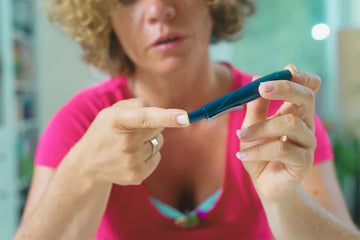
Monitoring your blood glucose levels with a glucometer is key to understanding how your body responds to different factors. Be sure to record your results and share them with your doctor to adjust your treatment as needed.
Complications of not treating type 2 diabetes
- Diabetic neuropathy: Damage to the nerves, especially in the extremities.
- Diabetic foot: Wounds and infections that are difficult to heal.
- Cardiovascular problems: Increased risk of heart attack and stroke.
- Kidney damage: Also known as diabetic nephropathy.
How can Tunocanarias help you?
At Tunocanarias.com , we specialize in offering products designed for people with diabetes. Natural supplements that support metabolic health. Here you'll find helpful tools to manage your condition.
Frequently asked questions about type 2 diabetes
Can type 2 diabetes be cured?
Although there is no cure, it is possible to control it with a combination of healthy eating, exercise, and appropriate medication.
How often should I check my glucose?
It depends on your treatment and medical recommendations, but it is generally suggested to measure it at least once a day.
Conclusion: Take control of your health
Type 2 diabetes can seem challenging, but with the right information and tools, you can manage it and live a full life. Remember, at Tunocanarias.com we're here to support you with the best products and resources. Start taking care of your health and take control of your blood sugar today!