

Antioxidant properties of the fruit of Opuntia dillenii (RED FIG)
Introduction
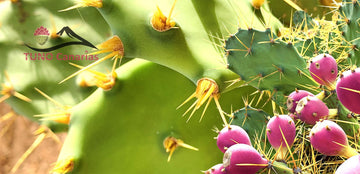
Opuntia dillenii (red fig) (also known as prickly pear or wild prickly pear) is a species of cactus whose deep red fruits are edible and have been used in traditional medicine for their potential health benefits. In recent years, it has garnered scientific interest due to its high content of antioxidant compounds such as betalain pigments, polyphenols ( flavonoids and phenolic acids), and vitamins. These compounds can neutralize free radicals and reduce oxidative stress, which would explain various properties attributed to the fruit (anti-inflammatory, cardioprotective , antidiabetic, etc.). The following details the main antioxidants present in the fruit of O. dillenii, the methods used to evaluate its antioxidant capacity, the findings of in vitro and in vivo studies, as well as comparisons with other species of the same genus and possible synergies.
DETAILED SUMMARY OF ANTIOXIDANT MOLECULES IN RED FIGS:
1. Betalains
Betacyanins (red-violet color)
· Betanin
either Action: donates electrons, traps free radicals, inhibits lipid peroxidation .
either Benefits: cardioprotective , hepatoprotective , protects lipids and DNA.
· Isobetanine
either Structural variant of betanin with similar antioxidant activity.
· 17-decarboxybetacyanine
either More stable derivative against acidic pH, maintains antiradical capacity.
· Gomphrerin and sinapoyl-gomphrerin
either Uncommon compounds with proven antioxidant activity.
Betaxanthins (yellow-orange color)
· Indicaxanthin
either Action: antioxidant and lipoxygenase inhibitor.
either Benefits: crosses the blood-brain barrier, protects neurons and brain membranes.
· Vulgaxanthin
either Minor but synergistic antioxidant effect with betacyanins .
Betalains are water-soluble and neutralize peroxides, superoxide radicals, and hydroxyl radicals. They have high bioavailability (they are well absorbed in the intestine and reach organs such as the liver and brain).
2. POLYPHENOLS
Phenolic acids
· Protocatechuic acid
either Action: Powerful free radical scavenger, inhibits the formation of nitrosamines .
either Benefits: anti-inflammatory, hepatoprotective , anti-cancer .
· Pisidic acid
either Stabilizes lipid peroxides, iron chelator .
either It enhances the action of vitamin C.
· Ferulic acid (traces)
either It strengthens membranes and protects the skin from UV damage.
· Quinic acid
either It is involved in metabolic pathways and has a cytoprotective effect (for example, against heavy metals).
either Present in greater quantity in the peel .
3. FLAVONOIDS
· Isoramnetin β-glycosides (IG2)
either Action: anti-inflammatory, lipid antioxidant, anti-cancer .
either It accumulates in cell membranes.
· Quercetin-3-O-rutinoside ( rutinoside )
either Improves circulation, strengthens blood vessels, reduces LDL peroxidation .
· Routine
either Stabilizes collagen, protects capillaries.
· Naringin ( flavanone )
either It increases endogenous antioxidant enzymes and improves liver metabolism.
· Luteolin
either Neuroprotective , blocks free radicals in nervous systems and inflamed tissues.
The flavonoids of O. dillenii are not very abundant, but they have a very important synergistic effect with betalains and vitamin C.
4. VITAMIN C (ASCORBIC ACID)
· Content: 30–55 mg/100 g fresh fruit
· Action: neutralizes superoxide and hydroxyl radicals; regenerates oxidized vitamin E.
· Benefits: strengthens immunity, prevents cellular aging, stimulates collagen synthesis.
5. TANNINS AND OTHER HIGH MOLD WEIGHT POLYPHENOLS
· condensed tannins
either Astringent, anti-inflammatory and mucous membrane protective activity.
either They can bond to metals and reduce the formation of Fenton radicals (Fe²⁺ + H₂O₂).
either They inhibit lipid oxidation in food and tissues.
6. ANTIOXIDANT POLYSACCHARIDES
· Soluble polysaccharide from the pulp
either It stimulates enzymes such as catalase and SOD in rats.
either It reduces reactive oxygen species (ROS) in type 2 diabetes models.
either Prebiotic potential (stimulates antioxidant flora).
7. OTHER COMPONENTS WITH INDIRECT ANTIOXIDANT EFFECT
· Betaine
either Present in other Opuntia species. Osmoprotective and hepatoprotective , it stabilizes antioxidant enzymes.
· Trace alkaloids
either Some minor antioxidant functions such as metal chelation or enzyme stimulation.
· Phytosterols (in seeds)
either They can protect membranes from lipid oxidation if consumed.
SUMMARY IN TABLE
|
Compound |
Guy |
Main antioxidant function |
Effect on the body |
|
Betanin |
Betalain ( betacyanin ) |
Neutralizes free radicals, protects lipids and DNA |
Cardioprotection , anti-aging |
|
Indicaxanthin |
Betalain ( betaxanthin ) |
It traps peroxides and crosses the blood-brain barrier. |
Neuroprotection , anti-inflammatory |
|
Protocatechuic acid |
Phenolic acid |
Powerful direct and indirect antioxidant |
Anticancer , antidiabetic |
|
Pisidic acid |
Phenolic acid |
Stabilizes peroxides, synergistic with vitamin C |
Hepatoprotective |
|
Quinic acid |
Phenolic acid |
Cytoprotective , antioxidant |
Liver and metabolic protection |
|
Isoramnetin -glucoside |
Flavonoid |
Protects membranes, anti-inflammatory |
Intracellular antioxidant |
|
Vitamin C |
Water-soluble vitamin |
Traps free radicals, regenerates antioxidants |
Immunity, skin, collagen |
|
Rutin, naringin , luteolin |
Secondary flavonoids |
Improves microcirculation , anti-inflammatory |
Vasoprotection , brain, digestive system |
|
Tannins |
Complex polyphenols |
They chelate metals, protecting proteins from oxidative damage |
Antidiarrheal , gastric protector |
|
Antioxidant polysaccharides |
Soluble macromolecules |
They stimulate endogenous antioxidant defenses |
Antidiabetic, immunomodulator |
CONCLUSION
Opuntia dillenii (RED FIG) contains an impressive array of water-soluble antioxidants , especially betalains , phenolic acids, flavonoids and vitamin C , which:
· They protect DNA, lipids, and proteins from oxidative damage.
· They prevent chronic inflammation
· They improve the response in metabolic diseases (diabetes, dyslipidemia , etc.)
Antioxidant compounds in the fruit of Opuntia dillenii (RED FIG)
The ripe fruit of O. dillenii is an abundant source of bioactive compounds with antioxidant activity. Among the most notable are:
· Betalains ( betacyanins and betaxanthins ) : Hydrophilic pigments responsible for the red-violet ( betacyanins ) and yellow-orange ( betaxanthins ) colors of the pulp . * O. dillenii * is especially rich in total betalains (values have been measured from ~ 10 mg per gram dry weight to the equivalent of 444 mg per 100 g of fresh pulp , depending on the extraction method) . Betacyanins predominate over betaxanthins; for example, the content of betanin ( the main betacyanin ) reaches ~16.6 mg/100 g (fresh weight) and of indicaxanthin (the main betaxanthin ) ~7.6 mg/100g . In addition to betanin and indicaxanthin , derivatives such as 17-decarboxybetanin, 6′-O-sinapoyl-gomphrerin, and other betalain compounds unique to this species have been identified ( academia.edu ). Betalains are potent natural antioxidants capable of donating electrons or hydrogen atoms to stabilize free radicals; in particular, betanin has demonstrated a high capacity to neutralize radicals and prevent lipid peroxidation (link.springer.com ).
· Phenols and flavonoids : The fruit of O. dillenii contains a variety of phenolic compounds, including phenolic acids and flavonoids . Its total phenolic content is remarkably high—around 117 mg per 100 g of fresh pulp, more than double that of the common prickly pear ( O. ficus-indica ) pmc.ncbi.nlm.nih.gov . Among the identified phenolic acids, protocatechuic acid and pisidic acid stand out. Protocatechuic acid (and its derivatives) is the most abundant, at approximately 3.26 mg/g (dry weight) in the pulp, followed by pisidic acid (~0.93 mg/g dry weight) pmc.ncbi.nlm.nih.gov . Both compounds are recognized for their antioxidant activity and contribute to the fruit's anti-inflammatory and anti-aging properties . Another important phenol is quinic acid , present in high concentrations, particularly in the peel: an ethanolic extract of the peel has been found to contain up to ~1437 μg /g of quinic acid . Quinic acid has demonstrated various biological activities, including antioxidant and cell-protective activity . As for flavonoids, O. dillenii provides several types (flavonols , flavones , etc. ) but in relatively smaller quantities compared to betalains . The most abundant flavonoid in the whole fruit is an isoramnetin glucoside (identified as isoramnetin glucoxyl-rhamnosyl-pentoside , abbreviated IG2) with ~0.28 mg/g (dry weight) pmc.ncbi.nlm.nih.gov . Quercetin glycosides, such as quercetin-3-O-rhamnosyl-rutinoside (QG3) (~0.03 mg/g dry weight) pmc.ncbi.nlm.nih.gov , and small amounts of flavonoids known for their antioxidant potency, such as rutin , naringin , and luteolin, are also found in peel extracts pmc.ncbi.nlm.nih.gov . Although the concentration of each individual flavonoid is low (e.g., rutin ~11 μg /g in peel) pmc.ncbi.nlm.nih.gov , the sum of all these contributes to the total antioxidant effect of the fruit.
· Vitamin C (Ascorbic Acid) : The pulp of O. dillenii provides a significant amount of vitamin C, another key antioxidant in the diet. Different studies report between 30 and 55 mg of ascorbic acid per 100 g of fresh fruit (academia.edu) , which is comparable to or higher than the vitamin C content in other edible cactus fruits. Vitamin C acts by donating electrons to neutralize free radicals (such as hydroxyl or superoxide radicals) and regenerating other endogenous antioxidants; therefore, it complements the action of the polyphenols present.
· Other compounds : Phytochemical analyses have also detected the presence of tannins and saponins in O. dillenii , as well as trace amounts of alkaloids (pmc.ncbi.nlm.nih.gov ). Tannins (higher molecular weight polyphenols ) may contribute to the reducing and free radical scavenging capacity due to their multiple hydroxyl groups. Additionally, polysaccharides have been isolated from the pulp that exhibit indirect antioxidant activity: for example, a water-soluble polysaccharide showed a protective effect in diabetic rats by reducing systemic oxidative stress (pmc.ncbi.nlm.nih.gov ). Overall, the fruit offers a broad spectrum of antioxidant phytoconstituents, both hydrophilic (vitamin C, betalains , polyphenols ) and some lipophilic ( e.g., tocopherols in seeds, according to reports from tandfonline.com ), which increases its potential benefits.
Table 1. Antioxidant compounds identified in the fruit of Opuntia dillenii (RED FIG) , with their type and approximate concentration reported in the literature.
|
Compound |
Type (class) |
Concentration |
Reference |
|
Betanin |
Betalain ( betacyanin ) |
~16.6 mg/100 g fresh pulp |
|
|
Indicaxanthin |
Betalain ( betaxanthin ) |
~7.6 mg/100 g fresh pulp |
|
|
Ascorbic acid (Vitamin C) |
Vitamin (antioxidant) |
30–55 mg/100 g fresh pulp |
|
|
Protocatechuic acid |
Phenolic acid |
~3.3 mg/g (dry weight of pulp) |
|
|
Pisidic acid |
Phenolic acid |
~0.93 mg/g (dry weight of pulp) |
|
|
Quinic acid |
Phenolic acid |
~1437 μg /g (shell, ethanolic extr .) |
|
|
Isoramnetin glucosyl-rhamnosyl-pentoside (IG2) |
Flavonoid ( isoramnetin glycoside) |
~0.28 mg/g (dry weight of pulp) |
|
|
Quercetin-3-O-rhamnosyl-rutinoside (QG3) |
Flavonoid ( quercetin glycoside) |
~0.03 mg/g (dry weight of pulp) |
Note: Values are approximate and may vary depending on the region, extraction method, and part of the fruit analyzed. FW = fresh weight; DW = dry weight.
Methods for measuring antioxidant activity
Standardized in vitro assays measuring different aspects of antioxidant activity are used to quantify the antioxidant capacity of O. dillenii extracts. The main reported methods include:
· DPPH ( 2,2-diphenyl-1-picrylhydrazyl ): This is a free radical scavenging assay that measures a sample's ability to donate hydrogen or electrons and decolorize the DPPH radical (which is violet). Activity is typically expressed as % inhibition or IC₅₀ concentration (the amount required to reduce DPPH by 50%). This method has been widely used with Opuntia juices and extracts, showing, for example, that O. dillenii juice has a remarkably low IC₅₀ (high activity) compared to antioxidant references ( researchgate.net ).
· ABTS/TEAC ( 2,2′-azino-bis(3-ethylbenzothiazoline-6-sulfonic acid) ): Similar to DPPH, it measures the decolorizing capacity of the ABTS^•+ radical cation in the presence of antioxidants. Results are usually expressed in Trolox equivalents (TEAC). In studies with Opuntia , the ABTS method has been shown to correlate well with total phenolic content (academia.edu ). However, it has been observed that it can underestimate the contribution of betalains due to color interference (link.springer.com ). Even so, extracts of O. dillenii show high TEAC capacity, superior to that of related species such as O. ficus-indica (onlinelibrary.wiley.com ).
· FRAP ( Ferric Reducing Antioxidant Power ): Evaluates the reducing power of the sample, that is, its ability to convert ferric ions (Fe^3+) to ferrous ions (Fe^2+) under acidic conditions. Higher reducing power indicates greater antioxidant potential. In one study, freeze-dried O. dillenii pulp showed high FRAP values (e.g., ~2.75 µmol Fe^2+ per g) compared to values obtained by DPPH or ABTS, indicating that certain components (possibly phenolic compounds) contribute strongly to the reducing capacity (sciencedirect.com ).
· ORAC ( Oxygen Radical Absorbance Capacity ): Measures the sample's ability to inhibit the oxidation of a fluorescent molecule by peroxyl radicals generated in situ (from AAPH). It is an assay that reflects antioxidant protection in a system with biologically relevant radicals. It is expressed in ORAC units or Trolox equivalents. Although less common in Opuntia studies than DPPH/ABTS, it has also been applied. For example, it has been reported that traditional methods like ORAC may underestimate the contribution of betalains compared to newer methods, but O. dillenii still often stands out with high ORAC values due to its pigment composition .
· Other methods : Additionally, techniques such as the Folin-Ciocalteu assay (which quantifies total reducing capacity, expressed as total phenol content), the scavenging capacity of specific radicals (hydroxyl radical, nitric oxide, hydrogen peroxide, etc.), and lipid peroxidation inhibition tests in model systems are employed. A recent method, LOX-FL ( lipoxygenase -fluorescein) , has proven to be highly sensitive to betalain activity, measuring their antiperoxidative capacity (inhibition of fatty acid oxidation catalyzed by lipoxygenase ). This type of assay complements DPPH/ABTS/FRAP to better understand how O. dillenii antioxidants function in biological systems.
In general, the combined use of several methods allows for a more complete view of the antioxidant activity of the fruit, since each assay captures different mechanisms (hydrogen donation, reducing power, metal chelation , etc.).
In vitro antioxidant activity
Several in vitro studies confirm the potent antioxidant activity of O. dillenii fruit extracts. Using the methods described above, outstanding results have been obtained:
· Radical scavenging capacity (DPPH, ABTS) : Extracts of O. dillenii show remarkable efficacy in neutralizing free radicals. For example, fresh fruit juice exhibited an IC₅₀ of ~8.18 μL / mL in the DPPH assay, indicative of very strong antioxidant activity—superior not only to that of O. ficus-indica (whose juice had an IC₅₀ of ~13.2 μL / mL under the same conditions), but even more potent than the ascorbic acid standard in that test . This suggests that the soluble components of the pulp (hydrophilic betalains, vitamin C , and phenols ) act synergistically to scavenge DPPH radicals. Accordingly, the ABTS assay has shown that O. dillenii possesses a high equivalent antioxidant capacity, correlated mainly with its betacyanin content: in a comparative study, extracts of O. stricta var . dillenii (considered equivalent to O. dillenii ) showed the highest ABTS activity among several prickly pears, which was associated with its higher concentration of betanin (link.springer.com ). However, it should be noted that betalains can absorb light at the same wavelengths as these assays, potentially interfering; therefore, alternative methods have independently confirmed their strong antiradical activity ( link.springer.com ).
· Reducing power and other mechanisms : The high phenolic content of O. dillenii is reflected in its reducing capacity. Methanolic extracts have shown high FRAP values, indicating that they can donate electrons to reduce oxidizing agents (sciencedirect.com ). Furthermore, in lipid peroxidation model systems, O. dillenii betalains have been shown to effectively inhibit the formation of oxidative products. One study highlighted that both pure betanin and indicaxanthin exhibited significant antiperoxidative activity in the LOX-FL assay (inhibiting lipoxygenase- mediated lipid oxidation) (link.springer.com ). This demonstrates that these pigments not only trap free radicals in solution but also protect biomolecules (e.g., fatty acids) from oxidation.
· Dose-dependent relationship and efficacy : In general, the antioxidant activity of O. dillenii extracts increases in a dose-dependent manner. It has been observed that as the extract concentration increases, the percentage of DPPH or ABTS radical inhibition increases proportionally until a plateau is reached (researchgate.net ). Studies that fractionated the compounds have revealed interesting information: the fraction rich in betacyanins usually shows greater antioxidant activity than the betaxanthin fraction, consistent with the more conjugated structure of betacyanins (academia.edu ). However, the complete extract (containing all classes of compounds) exhibited the highest antioxidant activity , surpassing the isolated fractions (academia.edu ). This suggests an additive or synergistic effect among the different molecules present (pigments, phenols, vitamin C, etc.), which enhances the overall antioxidant efficacy of the fruit.
In summary, in vitro evidence positions the fruit of Opuntia dillenii (red fig) as a highly effective source of antioxidants, capable of acting through multiple mechanisms (free radical scavenging, oxidation prevention, and reduction of oxidizing agents). These results laid the groundwork for investigating whether such properties translate into beneficial effects in vivo .
Evidence of antioxidant activity in vivo (animal models)
The antioxidant effects of O. dillenii have also been documented in studies with laboratory animals, indicating that the consumption or administration of its extracts can mitigate oxidative damage in living organisms:
· Protection against oxidative stress in experimental diabetes : In rats with streptozotocin -induced diabetes, administration of O. dillenii components has been shown to attenuate markers of oxidative damage. In particular, a polysaccharide extracted from the fruit pulp demonstrated hypoglycemic and antioxidant effects: following its administration, a reduction in reactive species levels and preservation of pancreatic beta cell integrity were observed, attributed to decreased oxidative stress in these animals (pmc.ncbi.nlm.nih.gov ). This finding suggests that beyond small phenolic compounds, macromolecules present in the fruit may also exert indirect antioxidant actions (e.g., by enhancing endogenous defenses or sequestering circulating free radicals).
· Cardioprotective and anti- peroxidative effect : A study evaluated the fruit extract of O. dillenii in a rat model of isoprenaline- induced myocardial infarction , with positive findings. Animals pretreated with the extract showed lower levels of biomarkers of cardiac damage (such as troponin T, CK-MB, etc.) and, crucially, a significant reduction in lipid peroxidation in cardiac tissue . In untreated rats, oxidative stress induced by the experimental infarction markedly elevated lipid peroxidation products (TBARS, hydroperoxides), while in rats that received O. dillenii, these markers remained close to normal ranges . Furthermore, the extract was able to restore the activity of endogenous antioxidant enzymes in the myocardium: the enzymes superoxide dismutase (SOD) , catalase (CAT) , and glutathione peroxidase ( GPx ) , which were depressed in rats with heart attacks, increased their levels toward normal with the O. dillenii treatment . This indicates that the fruit's compounds not only neutralize free radicals directly but can also positively modulate the body's own antioxidant system under conditions of severe oxidative stress. Overall, the pretreated animals showed less structural damage to the heart and an improved lipid profile, attributed in part to this antioxidant and membrane-stabilizing effect .
· Hepatoprotection : Although the evidence is more limited, one study reported that fresh O. dillenii juice offered protection against paracetamol overdose-induced hepatotoxicity in rats (a model of hepatic oxidative stress). The authors observed improvements in liver enzyme levels and less cell degeneration in the livers of the treated animals, which was associated with the antioxidant (and anti-inflammatory) properties of the fruit's compounds, especially betalains (known to accumulate in the liver) and vitamin C (which helps regenerate hepatic glutathione). While specific quantitative data were not cited in the available source, the overall result suggests a hepatoprotective effect linked to the reduction of oxidative stress in the liver.
In summary, animal models corroborate that the antioxidant profile of O. dillenii has biological relevance: the fruit (or its purified extracts) can reduce oxidative damage in tissues and improve the body's antioxidant response under pathological conditions (diabetes, myocardial infarction, chemical toxicity). These antioxidant effects contribute to the various pharmacological activities reported for O. dillenii (anti-inflammatory, cardioprotective , neuroprotective , antihyperlipidemic , etc.) elixirpublishers.com sciencedirect.com .
Comparison with other Opuntia species
Prickly pears from different Opuntia species share many compounds, but O. dillenii is usually notable for a higher density of antioxidants:
· Compared to the common prickly pear ( Opuntia ficus-indica ), the fruit of O. dillenii has higher concentrations of total polyphenols , vitamin C, and certain minerals (pmc.ncbi.nlm.nih.gov ). As mentioned, its phenolic content can be double that of ripe O. ficus-indica by weight (pmc.ncbi.nlm.nih.gov ), and experimentally, its juice has demonstrated superior in vitro antioxidant capacity. In DPPH tests, for example, O. dillenii juice showed an IC₅₀ approximately 40% more potent than that of O. ficus-indica (researchgate.net ). This difference is attributed to the higher levels of betalains (especially betacyanins ) and phenols in O. dillenii , since O. ficus-indica typically has lighter-colored pulp (fewer betacyanins ) and a sweeter flavor (less acidity and perhaps less vitamin C).
· Comparing O. dillenii with other wild species, it has been observed that so-called “wild” red-fleshed prickly pears tend to have more bioactive compounds than cultivated light-fleshed varieties. In a study evaluating Opuntia stricta var . dillenii (wild form) versus cultivated prickly pears, the pulp of the wild species showed the highest total phenol content (up to ~1140 mg gallic acid equivalents/100 g dry weight) and also the highest flavonoid content (~156 mg quercetin equivalents/100 g dry weight) academia.edu . Consequently, it exhibited the highest antioxidant activity in multiple assays (e.g., achieving >90% hydroxyl radical inhibition compared to ~50–70% in cultivated species) academia.edu . This confirms that O. dillenii (a non-domesticated species in many regions) harbors a particularly rich phytochemical pool . In fact, its betalain profile also differs qualitatively: in O. dillenii there is an abundance of rare betacyanins ( decarboxylated or acylated ) not seen in O. ficus-indica , which could contribute to unique antioxidant effects academia.edu .
· It is important to note that each species (and even varieties of the same species) can vary in their compounds depending on the growing environment, fruit maturity, and other factors. For example, Opuntia joconostle (another species/variety of acidic red fruit, native to Mexico) also exhibits high phenolic content and comparable antioxidant activity in some studies, concentrated mainly in the peel and seeds ( academia.edu ) . However, within the Opuntia genus, O. dillenii consistently stands out in comparisons when antioxidant parameters are evaluated, to the point of being considered a potentially superior source of natural antioxidants for nutraceutical and food applications.
In summary, Opuntia dillenii (RED FIG) surpasses many common prickly pears in the abundance and effectiveness of its antioxidant compounds, making it an object of interest for exploiting its functional properties.
Potential synergies of natural compounds
The antioxidant compounds present in the fruit of O. dillenii do not act in isolation, but can interact synergistically , enhancing the overall effect. Several pieces of evidence support this synergy:
· Intrinsic synergy (within the fruit) : As mentioned, fractionation of the components of O. dillenii revealed that the antioxidant activity of the whole extract is greater than that of any of its individual fractions (academia.edu ). This suggests that the various molecules ( betalains , flavonoids , phenolic acids, vitamin C) reinforce each other. One possible mechanism is mutual regeneration : for example, vitamin C may regenerate flavonoid radicals to their active form, or pigments may stabilize radicals produced after the action of other antioxidants. The result is longer-lasting and more effective protection against free radicals. This intrinsic synergy explains why whole-fruit preparations (juice, whole pulp) often show better antioxidant results than equivalent isolated compounds.
· Synergy with other foods/ingredients : Opuntia dillenii (red fig) has also been shown to improve the antioxidant profile of products when blended with other natural sources. A beverage formulation study found that adding O. dillenii pulp to mixed juices significantly increased the vitamin C content, total polyphenols , and antioxidant capacity of the blends (academia.edu ). In particular, combining strawberry with O. dillenii in a 3:1 ratio resulted in a beverage with a deep red color and the highest levels of antioxidants measured (e.g., ~18.7 mg/100 mL of vitamin C, 71.1 mg/100 mL of polyphenols , with 35.7% radical inhibition) (academia.edu ). This effect was also reflected in the beverage's stability : the presence of O. dillenii compounds protected the blend during storage, maintaining color and antioxidant activity better than beverages without it (academia.edu ). This indicates a functional synergy where the antioxidants of O. dillenii not only contribute directly, but can also stabilize other sensitive compounds (for example, preventing the oxidative degradation of vitamin C from strawberries, or vice versa).
· Beneficial interactions at the cellular level : Although still under investigation, it is postulated that the different antioxidants in O. dillenii could act in different cellular locations or complementary biochemical pathways. For example, betalains ( hydrophilic ) would act primarily in aqueous compartments, neutralizing free radicals, while certain more lipophilic flavonoids could embed themselves in membranes, preventing lipid peroxidation . The combination of both types broadens the spectrum of protection. Additionally, some compounds could induce the expression of antioxidant enzymes in cells (via activation of stress response pathways), enhancing endogenous defense—a study in hepatocytes suggests that Opuntia extracts can activate the Nrf2/HO-1 pathway, although more specific evidence is needed for O. dillenii .
Taken together, the available evidence suggests that the antioxidant effect of O. dillenii results from the combined action of its multiple components. This synergy highlights the value of consuming the whole fruit or whole extracts, rather than isolated compounds, to obtain the maximum antioxidant benefit. Furthermore, its use in formulations with other natural ingredients can enhance the nutritional and functional value of the final product.
Clinical evidence and perspectives
To date, direct clinical research with Opuntia dillenii (red fig) is limited. However, positive preclinical data have prompted pilot studies in humans. In a small trial in patients with type 2 diabetes, administration of a supplement made with O. dillenii for 4 weeks showed modest improvements in glycemic control and metabolic parameters (journal-jop.org ). Although that study focused on blood glucose and did not assess markers of oxidative stress, its results suggest that the cactus's antioxidant and anti-inflammatory properties could translate into clinical benefits (e.g., improved insulin sensitivity, given that chronic oxidative stress contributes to insulin resistance).
No clinical trials have yet been reported that specifically measure the impact of O. dillenii consumption on antioxidant status in humans (e.g., malondialdehyde levels, plasma antioxidant capacity, or antioxidant enzyme activity). However, by analogy with studies conducted with O. ficus-indica (in which prickly pear juice consumption reduced oxidative markers after intense exercise and improved the oxidized lipid profile), it is reasonable to hypothesize that O. dillenii could have similar or greater beneficial effects, given its higher antioxidant content.
From a safety and application perspective, the fruit of O. dillenii is edible and has been traditionally consumed, making its integration into the diet or supplements feasible. Its phytochemical profile also makes it attractive to the food industry as a source of natural red-violet pigment ( betalains ) with added antioxidant activity (academia.edu ). Furthermore, standardized extracts of O. dillenii could be developed for use as nutraceutical ingredients focused on managing oxidative stress and inflammation.
Conclusions
The fruit of Opuntia dillenii (red fig) is emerging from scientific evidence as an antioxidant "superfood" within the Opuntia genus. It contains a variety of compounds—from unique betalain pigments, phenolic acids, and flavonoids , to vitamins and polysaccharides—which together give it a high antioxidant capacity . These compounds act through multiple pathways to neutralize free radicals and protect cellular components from oxidation. In vitro studies have quantified its antioxidant potency, highlighting it compared to other species, and in vivo studies in animal models have confirmed its ability to reduce oxidative stress under pathological conditions, with beneficial consequences (protection of organs such as the liver and heart, improvement of metabolic status, etc.). Although clinical research is still in its early stages, current findings support the potential of O. dillenii as a natural source of antioxidants to promote health.
In summary, the antioxidant profile of Opuntia dillenii (red fig) fruit is not only broad in terms of compounds but also effective in its mechanisms of action. This justifies continued exploration of its application in diet therapy , supplements, and functional foods, as well as further investigation of its effects in humans. Opuntia dillenii (red fig) , once a “forgotten” plant, could become an important ally in combating oxidative stress and its associated diseases, taking advantage of the synergy of the natural chemistry contained in its colorful fruits . pmc.ncbi.nlm.nih.gov elixirpublishers.com
References:
1. Gómez-López, VM, et al. “ Chemical characterization of Opuntia dillenii (RED FIG) and Opuntia ficus indica fruits .” FoodChemistry [40] academia.edumdpi.com
2. Yeddes , N., et al. “ Comparative Study of Antioxidant Power , Polyphenols , Flavonoids and Betacyanins of the Peel and Pulp of Three Tunisian Opuntia Forms .” Antioxidants ( Basel )2 (2):37-51 (2013) academia.edu academia.edu
3. Betancourt, C., et al. “ Pigment composition and antioxidant capacity of betacyanins and betaxanthins fractions of Opuntia dillenii (RED FIG) fruit .” FoodResearch International101 :173-179 (2017) academia.edu academia.edu
4. Elmsellem , H., et al. “ Chemical Composition and AntioxidantActivity of seedoils and fruit juice of Opuntia ficus-indica and Opuntia dillenii (RED FIG) fromMorocco .” J. Mater. Environ . Sci.6 (8):2338-2345 (2015) researchgate.net researchgate.net
5. Gurusamy , K., et al. “ Cardioprotective and antioxidant effects of Opuntia dillenii (RED FIG) Haw . fruitonisoprenaline-inducedmyocardialinfarction in rats .” Elixir Biotech.45 :7964-7968 (2012) elixirpublishers.com elixirpublishers.com
6. Mahmad , M.A., et al. “ Freshfruit juice of Opuntia dillenii (RED FIG) Hawattenuates paracetamol induced hepatotoxicity in rats .” J. Pharm Res. Tech.13 (7):3317-3322 (2020) elixirpublishers.com
7. Zou , X., et al. “ Protective effect of polysaccharides from Opuntia dillenii (RED FIG) Haw . fruits on streptozotocin-induceddiabetic rats.” CarbohydratePolymers112 :524-531 (2014) pmc.ncbi.nlm.nih.gov
8. Gómez-Maqueo, A., et al. “In Vitro Antioxidant Capacity of Opuntia spp . Fruits Measured by the LOX-FL Method and its High Sensitivity Towards Betalains .” Plant Foods Hum . Nutr.76 (3):354-362 (2021) link.springer.com link.springer.com
9. Bouhrim , M., et al. “ Phenolic content and antioxidant , antihyperlipidemic , and antidiabetogenic effects of Opuntia dillenii (RED FIG) seedoil in vivo.” PharmaceuticalBiology58 (1):792-800 (2020) pmc.ncbi.nlm.nih.gov pmc.ncbi.nlm.nih.gov
10. Xu, J., et al. “ Phytochemical , biological , and nutritional properties of the prickly pear Opuntia spp .” Food Chemistry370 :131335 (2022) pmc.ncbi.nlm.nih.gov sciencedirect.com
(The numbers in brackets in the citations correspond to the original source consulted, listed for verification purposes. Links to PubMed , SciDirect , or other sources are provided where possible to access the referenced content.)
In summary:
|
Type of antioxidant |
Is it in O. dillenii ? |
Observations |
|
Betalains |
Yes, in large quantities |
Powerful |
|
Vitamin C |
Present |
Very useful |
|
Common flavonoids |
Some |
Moderate variety |
|
Phenolic acids |
Yeah |
High concentration |