

Table of Contents:
What is omega 3?
Omega-3 is a type of essential fatty acid, meaning our bodies cannot produce it and must obtain it from food or supplements. There are three main types of omega-3:
- ALA (alpha-linolenic acid): It is found mainly in plant sources such as chia seeds, flax and nuts.
- EPA (eicosapentaenoic acid): Found in fatty fish and shellfish.
- DHA (docosahexaenoic acid): Found in the same foods as EPA, it is especially important for brain health.
Each one performs specific functions in the body, but together they form an essential team to keep us healthy.
What is omega 3 used for?
Cardiovascular health
Omega-3 helps lower triglyceride levels, reduces blood pressure, and prevents blood clots. This significantly reduces the risk of heart disease.
Brain function and mental health
It is essential for brain development and function. DHA, in particular, is key for memory and concentration. Furthermore, studies have shown that regular consumption of omega-3 fatty acids can reduce symptoms of depression and anxiety.
Inflammation and the immune system
It acts as a powerful natural anti-inflammatory, helping to relieve joint pain and improve conditions like arthritis. It also strengthens the immune system, keeping you better protected against illness.
Eye health
DHA is a fundamental component of the retina. Adequate intake can prevent problems such as dry eye syndrome and age-related diseases like macular degeneration.
Pregnancy and child development
During pregnancy, omega-3 fatty acids are crucial for the baby's brain and eye development. They can also help prevent premature birth.
What are the benefits of omega 3?
In summary, omega 3 is good for:
- Protect the heart.
- Improve brain function and memory.
- Reduce inflammation.
- Support eye health.
- To benefit fetal development.
Sources of omega 3
Foods rich in omega 3
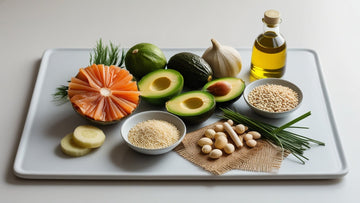
- Fatty fish: Salmon, mackerel, sardines and herring.
- Seeds and nuts: Chia, flax and walnuts.
- Leafy green vegetables: Spinach and kale.
Omega 3 supplements
If you struggle to get enough omega-3 from food alone, supplements are an excellent alternative. Krill oil , in particular, is very popular because it's more efficiently absorbed and contains natural antioxidants.
What is krill oil?
Krill oil is an omega-3 supplement extracted from small, shrimp-like crustaceans. Unlike fish oil, it has a chemical structure that facilitates its absorption into the body. It also contains astaxanthin, a powerful antioxidant that protects cells from oxidative damage.
How to make sure you're getting enough omega-3
- Include oily fish in your diet at least twice a week.
- Add chia or flax seeds to your smoothies or yogurts.
- Use omega-3 supplements, such as krill oil, if you have a diet low in fish.
How to choose the best omega 3?
When buying supplements, pay attention to the following details:
- EPA and DHA concentration: Look for products with high amounts of these fatty acids.
- Purity: Make sure they are free of heavy metals.
- Certifications: The best supplements are endorsed by independent organizations.
Frequently asked questions about omega 3
How much omega-3 should I consume daily? The general recommendation is 250-500 mg of EPA and DHA combined for healthy adults. However, this may vary depending on your individual needs.
Is fish oil better than krill oil? Both are good sources of omega-3, but krill oil has greater bioavailability and less risk of reflux.
Can I get omega-3 if I'm vegan? Yes, chia seeds, flax seeds, walnuts, and algae supplements are excellent options.
What happens if I consume too much omega-3? In very high doses (more than 3 grams per day), it can increase the risk of bleeding. Always consult a doctor before taking supplements.