


Have you ever noticed that during periods of high stress you tend to gain weight or change your eating habits? The relationship between stress and weight gain is more common than you might think, and understanding how to manage it can make a big difference to your well-being. In this article, we'll explore how stress affects your body weight, what strategies can prevent weight gain, and how to avoid emotional eating. Discover how to take back control!
How does stress affect body weight?
Stress triggers a natural response in our bodies known as "fight or flight." During this response, the brain releases hormones like cortisol and adrenaline, which directly affect metabolism and hunger patterns. Here's how:
1. Increased appetite
Cortisol, also known as the "stress hormone", can increase appetite and cravings for foods high in fat and sugar, leading to overeating.
2. Accumulation of abdominal fat
Excess cortisol is also linked to the accumulation of fat in the abdominal area, a type of fat that can be more difficult to lose and is related to health problems.
3. Changes in metabolism
Chronic stress can slow down metabolism, making it harder to burn calories and promoting weight gain.
4. Emotional eating
Many people turn to food for comfort, commonly known as "emotional eating." This can lead to excessive calorie consumption without a real physical need.
Strategies to prevent weight gain due to stress
Preventing stress-related weight gain requires a holistic approach that addresses both mental health and eating habits. Here are some key strategies:
1. Identify the triggers
Keep a journal to record when and what you eat, and associate those moments with your emotions. This will help you identify patterns and work on them.
2. Maintain a balanced diet
Choose nutrient-rich foods that help keep your energy levels stable and reduce cravings:
- Lean proteins: Chicken, fish and eggs.
- Complex carbohydrates: Oats, brown rice and sweet potato.
- Healthy fats: Avocado, nuts, and olive oil.
3. Incorporate physical activity
Exercise is an excellent way to reduce stress and prevent weight gain. Activities such as yoga, walking, or strength training are effective options.
4. Improve your sleep patterns
Insufficient sleep can increase cortisol levels and disrupt hunger hormones. Aim for 7 to 9 hours of sleep each night.
5. Practice stress management techniques
- Meditation and mindfulness: They help reduce anxiety and improve emotional control.
- Deep breathing: Decreases the stress response in the moment.
- Relaxing hobbies: Dedicate time to activities you enjoy, such as reading, painting, or gardening.
How to avoid emotional eating?
Emotional eating is a common response to stress, but it can be controlled with effective strategies:
1. Recognize the differences between physical and emotional hunger
Emotional hunger appears suddenly, focuses on specific foods, and isn't satisfied even after eating. Learn to identify these signs.
2. Keep healthy options on hand
Replace unhealthy snacks with nutritious alternatives, such as nuts, fresh fruit, or natural yogurt.
3. Seek emotional support
Talking to friends, family, or a therapist can be a great way to relieve stress without resorting to food.
Products that can help you
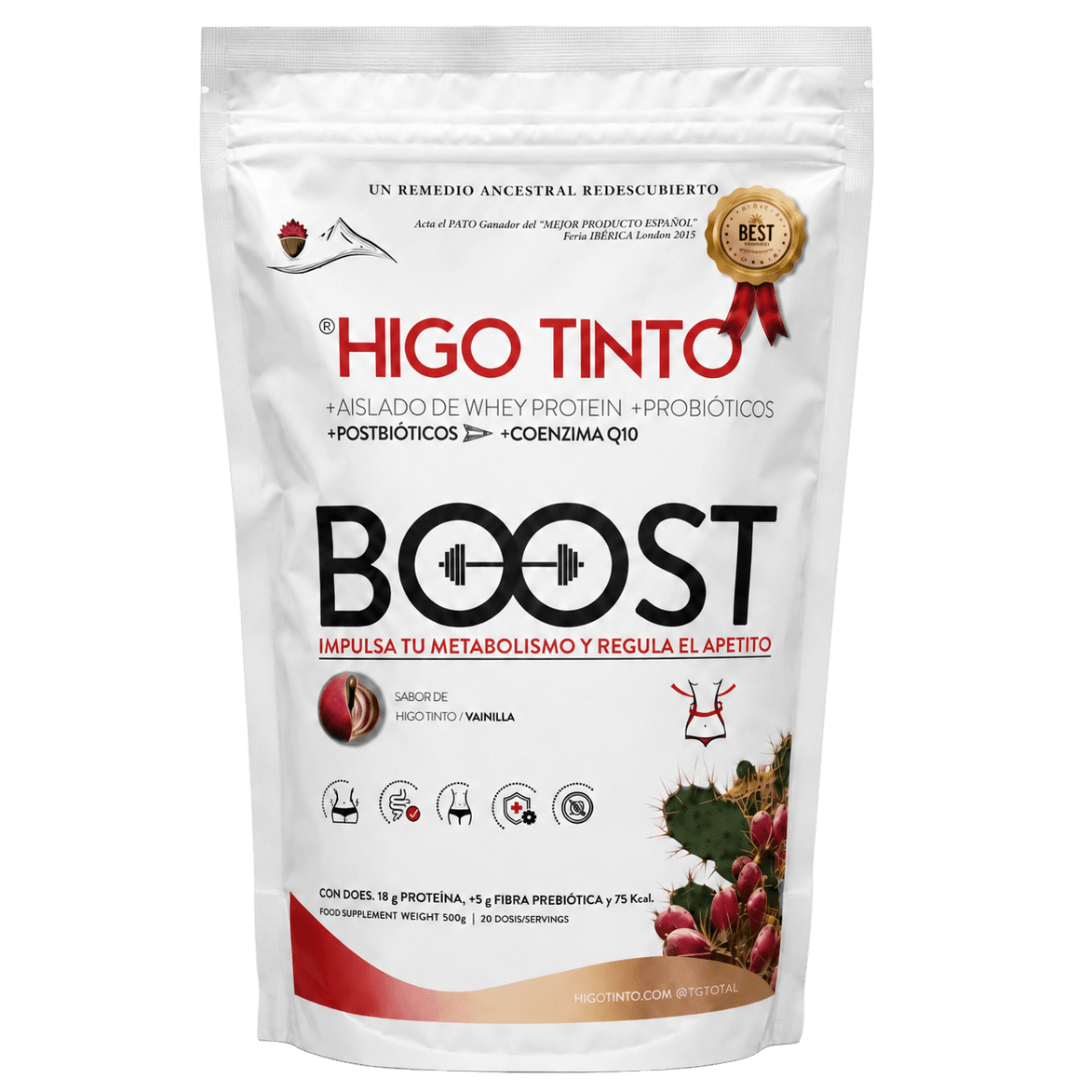
At Tunocanarias.com , we offer natural products like FIG TINTO Boost , ideal for improving your energy levels and supporting a balanced diet. Visit our store to discover more options that can help you manage stress and maintain a healthy weight.
Frequently Asked Questions
Does stress always cause weight gain?
Not always. In some people, stress can cause weight loss due to a lack of appetite or a faster metabolism.
What foods help combat stress?
Foods rich in magnesium, such as bananas and spinach, and foods with omega-3, such as salmon and chia seeds, can help reduce stress.
Is it better to avoid carbohydrates during times of stress?
Not necessarily. Choosing complex carbohydrates like oats or quinoa can stabilize your blood sugar levels and prevent cravings.
How long does it take for cortisol levels to decrease after managing stress?
Cortisol levels can decrease within a few hours after practicing relaxation techniques or resolving the stressful situation.
Conclusion
The connection between stress and weight gain is complex, but it can be managed with lifestyle changes and effective strategies. Maintain a balanced diet, practice relaxation techniques, and exercise to minimize the effects of stress on your body weight. At Tunocanarias.com , we offer natural products that will help you maintain a healthy and balanced lifestyle. Start today and take back control!