


Have you heard about intermittent fasting and wondered if it could be the solution to improving your health? This method has gained popularity due to its numerous benefits, but questions also arise about how to do it correctly and whether it's safe. In this article, we'll answer all your questions and give you practical tips to get started with intermittent fasting.
Introduction
Intermittent fasting is not a passing fad, but a method supported by scientific studies and practiced throughout history. It allows the body to alternate periods of fasting with periods of eating, promoting a range of metabolic benefits, weight management, and overall health improvements.
What is intermittent fasting?
Intermittent fasting is an eating pattern that alternates periods of fasting with periods of eating. Unlike traditional diets, the focus is not on what you eat, but on when you eat. This method has been practiced for centuries and is now supported by studies highlighting its health benefits.
Common forms of intermittent fasting
There are several ways to practice intermittent fasting. The most popular include:
- The 16/8 method: This involves fasting for 16 hours and eating within an 8-hour window. For example, you could eat between 12:00 pm and 8:00 pm.
- 24-hour fast: Once or twice a week, you fast for 24 hours straight.
- Alternate day: Alternate days of normal intake with days of partial or complete fasting.
- The 5:2 Method: Eat normally for five days and significantly reduce calories on two non-consecutive days.
How does intermittent fasting work?
During fasting, your body enters a metabolic state called ketosis , where it begins to use stored fat as an energy source instead of glucose. This results in improved fat burning and other metabolic benefits.
Benefits of intermittent fasting
- Weight loss: Helps reduce calorie consumption and increase fat burning.
- Improves insulin sensitivity: Reduces blood sugar levels and the risk of type 2 diabetes.
- Brain health: Promotes the production of BDNF, a protein that improves neuronal health and protects against neurodegenerative diseases.
- Reduction of inflammation: Helps fight chronic inflammatory diseases.
- Greater longevity: Animal studies have shown that fasting can prolong life.
How to do intermittent fasting correctly?
To maximize the benefits of intermittent fasting, it's essential to focus on planning and food quality. Here are some basic guidelines.
Plan your schedules
Choose the type of fasting that best suits your lifestyle. For example, the 16/8 method is ideal for beginners because it allows you to adjust your meal times flexibly.
Stay properly hydrated
Drink water, herbal teas, or unsweetened tea during the fasting period to stay hydrated and avoid excessive hunger.
Choose healthy foods
During the eating window, prioritize nutrient-rich foods:
- Lean proteins: Chicken, fish, eggs.
- Healthy fats: Avocado, nuts, olive oil.
- Complex carbohydrates: Quinoa, oats, brown rice.
- Vegetables and fruits: Natural sources of fiber, vitamins and minerals.
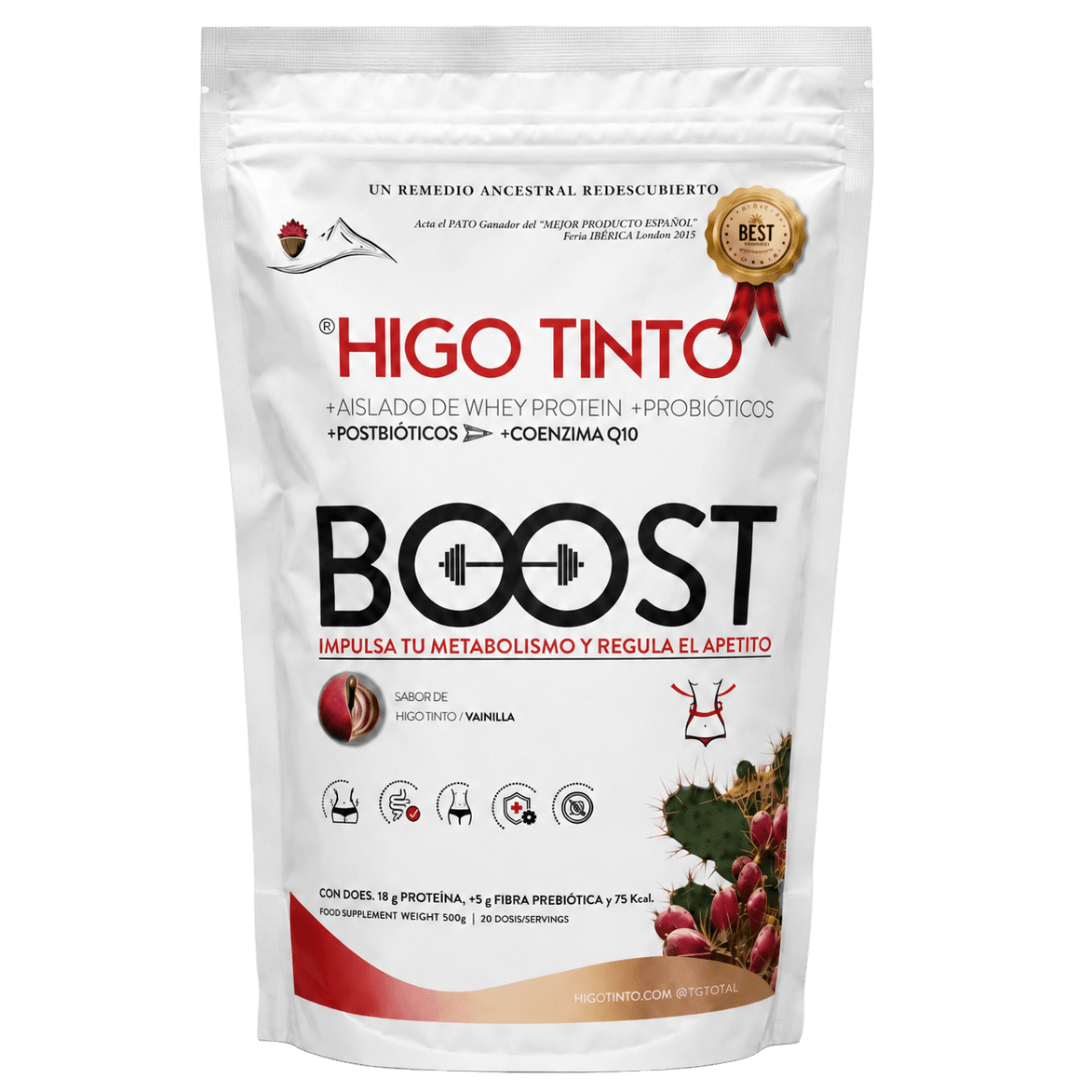
At Tunocanarias.com , you'll find options like the FIG TINTO Boost , a superfood ideal for complementing your intermittent fasting diet.
How to break intermittent fasting?
Breaking your fast correctly is crucial to avoid digestive discomfort and reap the benefits. Follow these steps:
- Start with something light: Broths, fruit, or a mild smoothie.
- Avoid ultra-processed foods: They are difficult to digest and could cause discomfort.
- Gradually introduce complete meals: Include protein, carbohydrates, and healthy fats in the following meals.
Is intermittent fasting safe? Contraindications
Although intermittent fasting is safe for most people, it's not suitable for everyone. Consult a healthcare professional if:
- Are you pregnant or breastfeeding?
- You have a history of eating disorders.
- You suffer from chronic medical conditions.
- You are under medical treatment that requires strict meal times.
Frequently Asked Questions
Can I drink coffee during intermittent fasting?
Yes, as long as it's black and unsweetened. Coffee can help control hunger and boost energy.
How long does it take to see results?
Results may vary, but many people notice improvements in their energy and weight after 2-4 weeks.
Does intermittent fasting affect my muscle mass?
If you consume enough protein during meals and perform strength exercises, the impact on muscle mass is minimal.
Is it suitable for athletes?
Yes, but it's important to adjust fasting times to ensure proper calorie and nutritional intake.
Conclusion
Intermittent fasting is an effective tool for improving health, losing weight, and increasing energy, provided it's done in an informed way. If you're looking for a healthier lifestyle, try this method and complement your diet with quality products like those from Tunocanarias.com . Start today and transform your well-being!